
Writing:
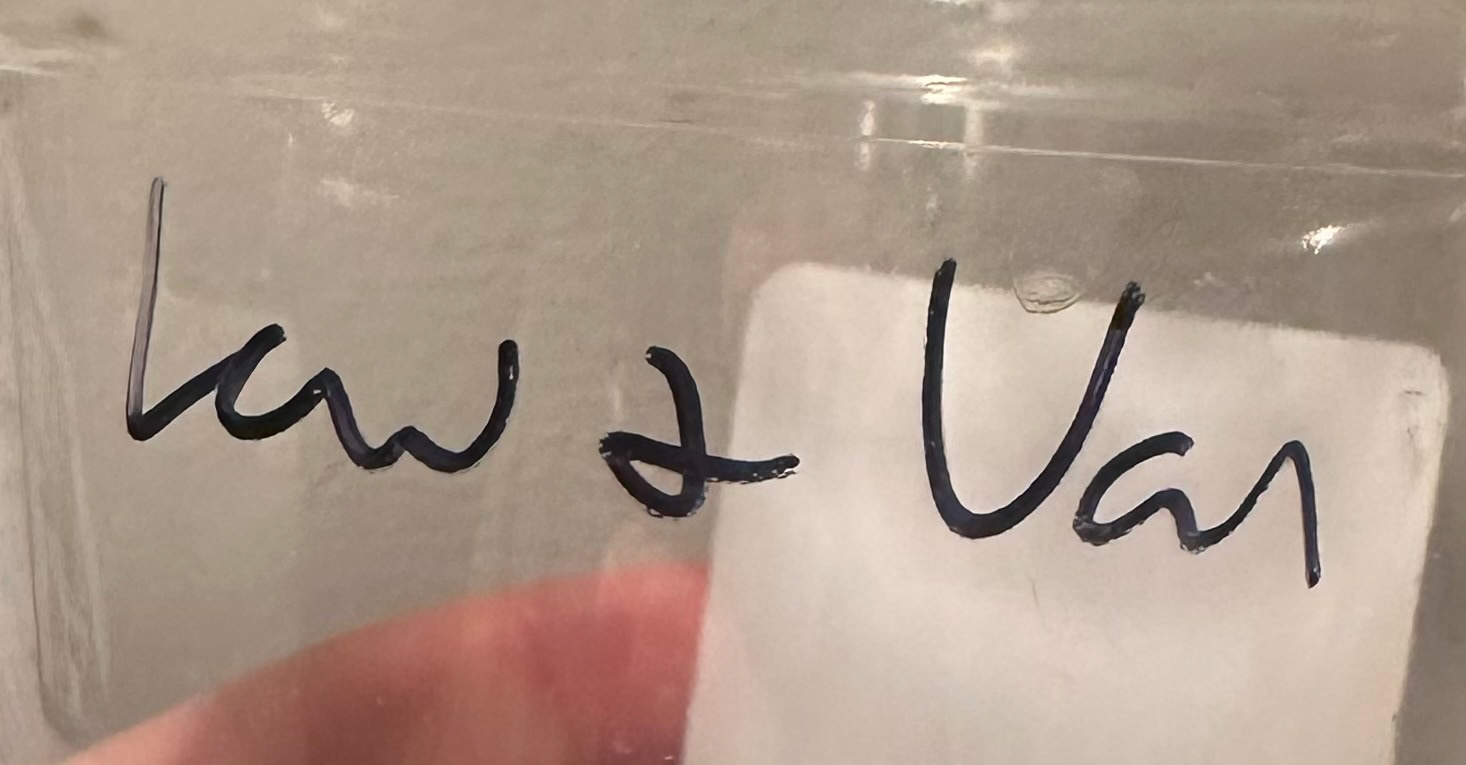
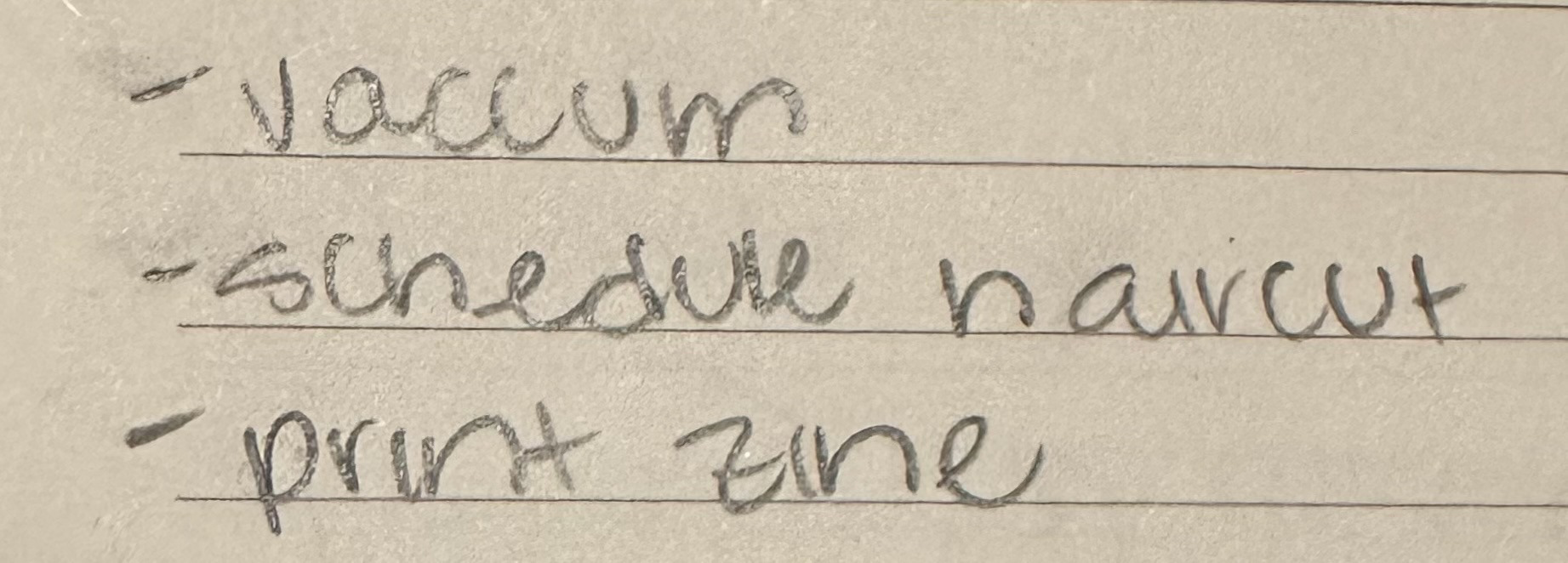
These are images of my own handwriting and writing on a cup of coffee I purchased. These are examples of written letters because the letters are made by hand, with a majority of the letters made in one stroke. The purpose of these letters is not perfection, just simply to write. The time of production and use are the same, like for my handwriting I was writing a to-do list for my day. My attention was given to the information rather than the letterform. With the pen on the cup there is no opportunity for correction, so what was produced stays as written.
These are images of my own handwriting and writing on a cup of coffee I purchased. These are examples of written letters because the letters are made by hand, with a majority of the letters made in one stroke. The purpose of these letters is not perfection, just simply to write. The time of production and use are the same, like for my handwriting I was writing a to-do list for my day. My attention was given to the information rather than the letterform. With the pen on the cup there is no opportunity for correction, so what was produced stays as written.
Lettering:
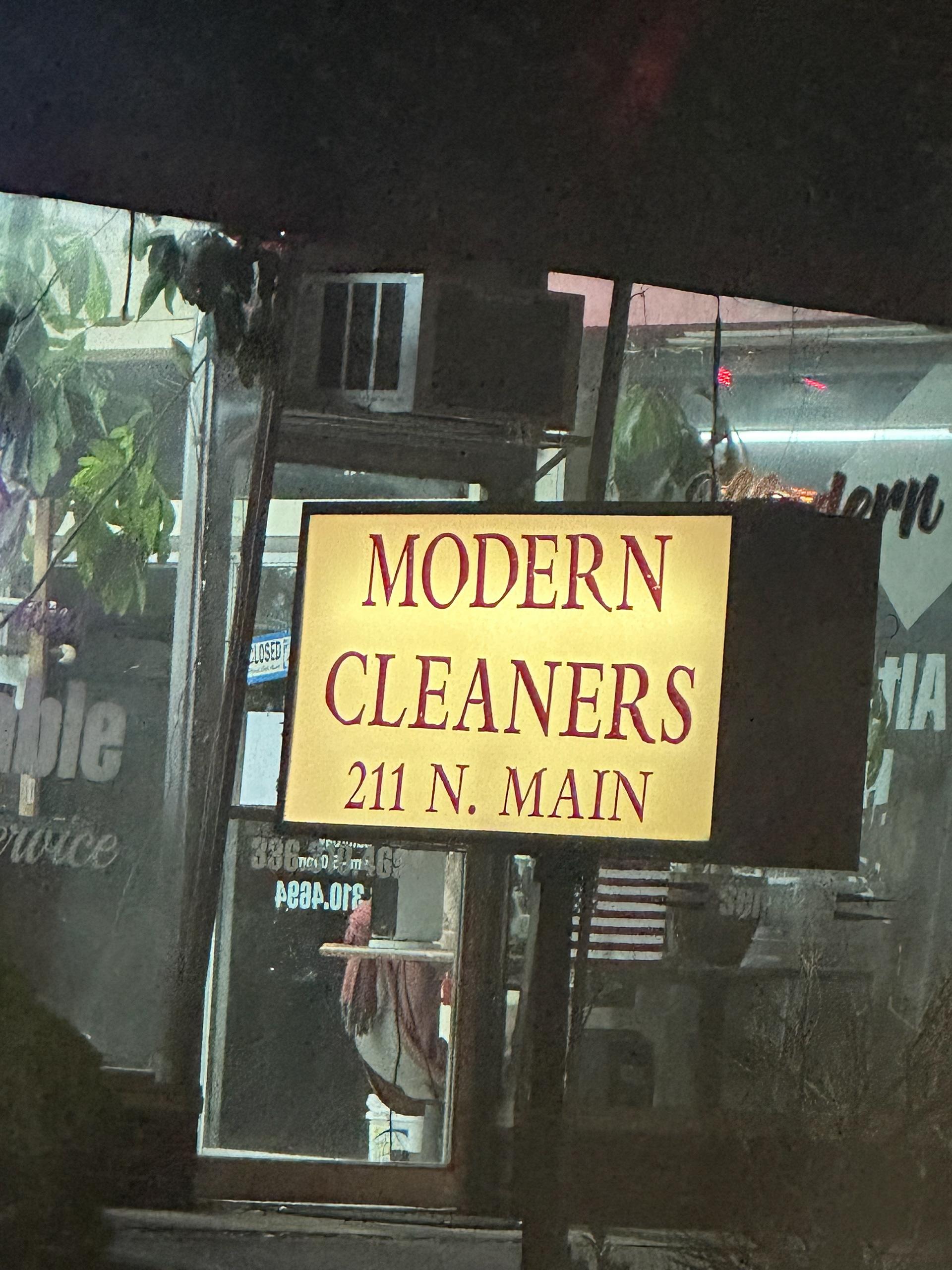
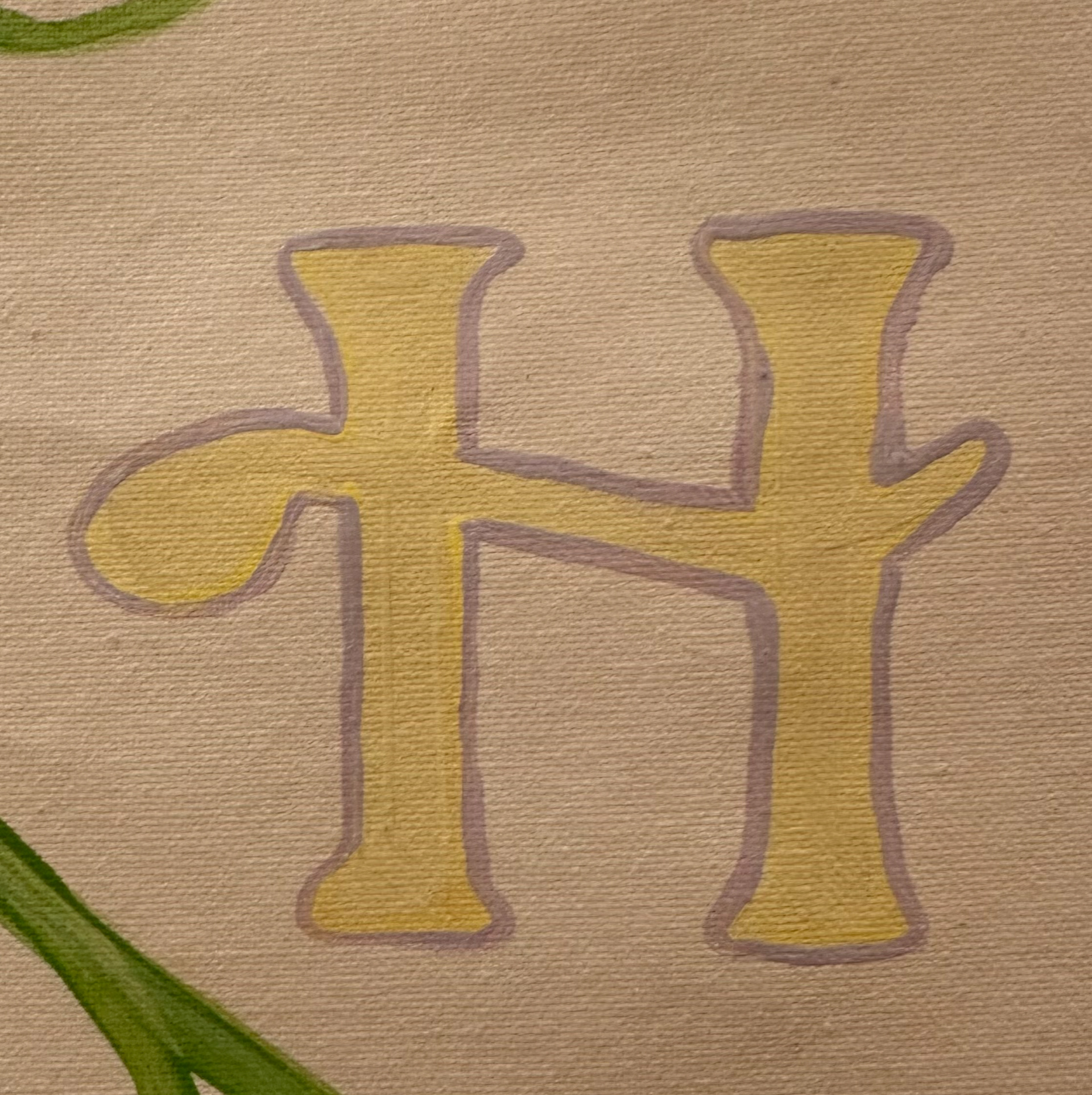
These are images of a sign for a dry cleaners and a hand-painted H on a banner. They are examples of lettering because they are made by hand but carefully planned and considered. During production they were allowed the possibility of correction and the ability to be reworked. The time of production and use exist separately. The letters in the first sign can moved around post-production. The letters in both signs are similar to writing because they are made using the body, the first sign is hand-cut and the second hand-painted. But they are different to written letters because they can be built up using numerous strokes.
These are images of a sign for a dry cleaners and a hand-painted H on a banner. They are examples of lettering because they are made by hand but carefully planned and considered. During production they were allowed the possibility of correction and the ability to be reworked. The time of production and use exist separately. The letters in the first sign can moved around post-production. The letters in both signs are similar to writing because they are made using the body, the first sign is hand-cut and the second hand-painted. But they are different to written letters because they can be built up using numerous strokes.
Typography:
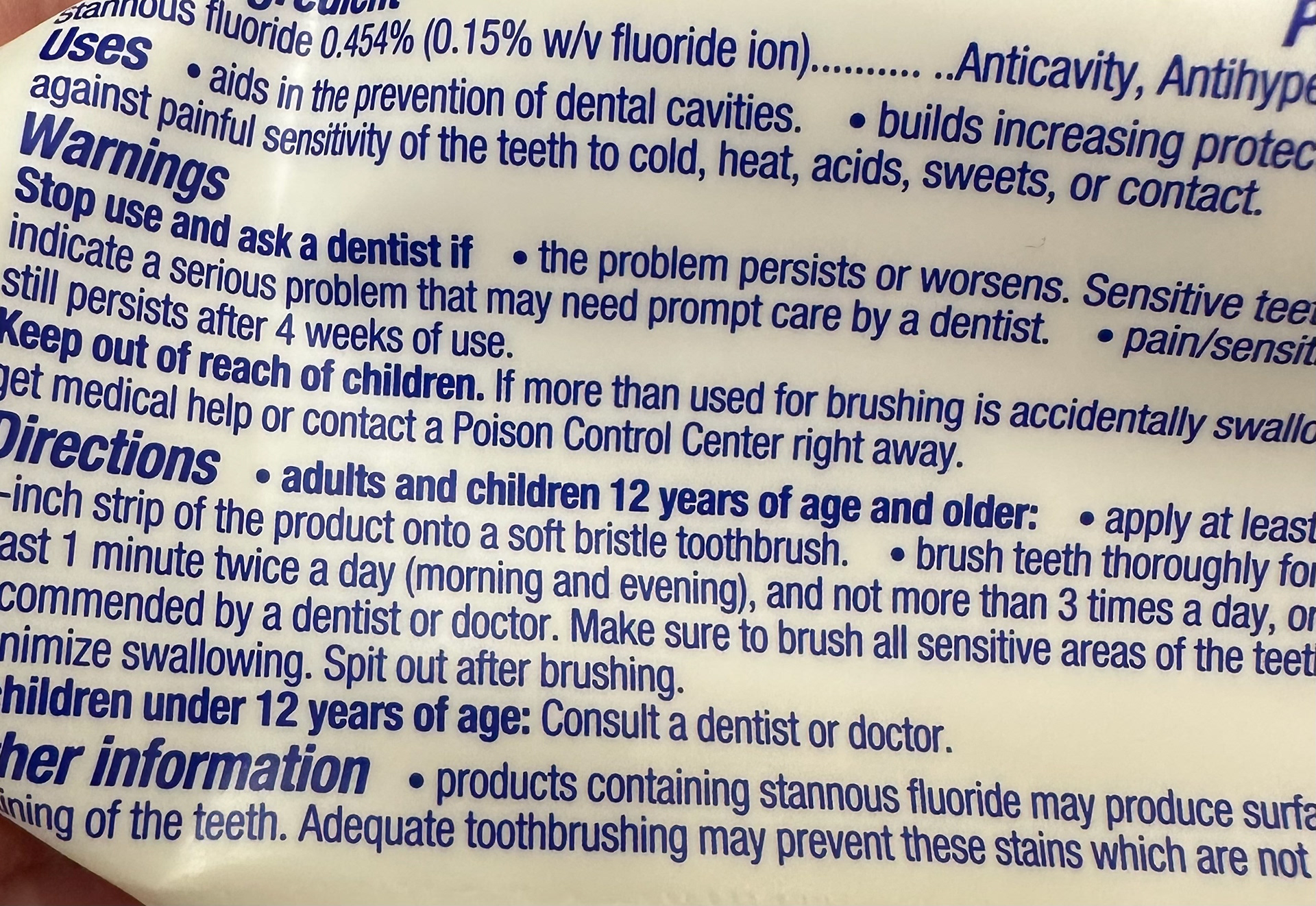
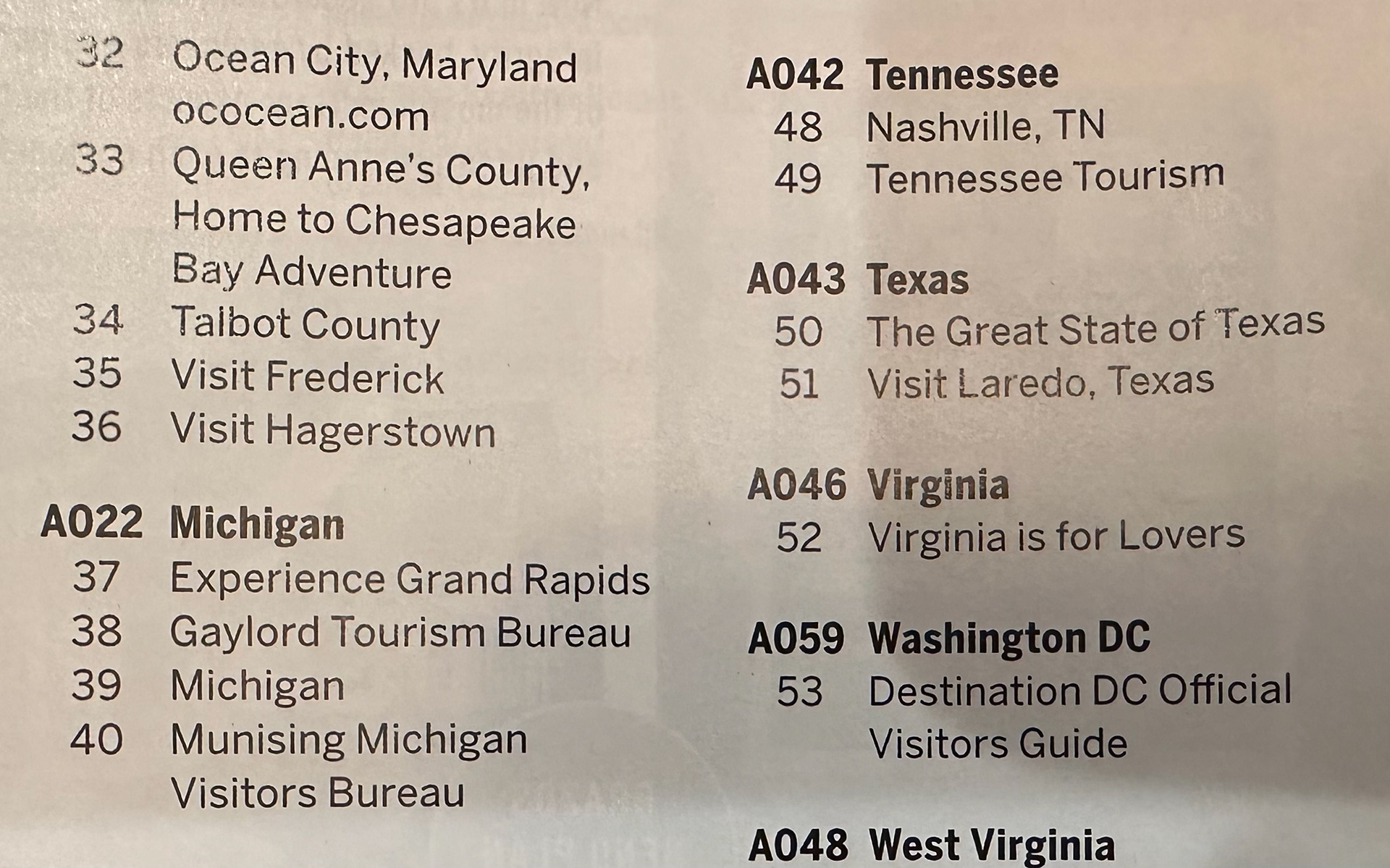
These are images of the back of a tube of toothpaste and a page in a travel guide. These are examples of typography because they are arranged systems of letters. They are characterized by the fact that they are machine made and can use multiple strokes. The time of production and use is separate, similar to lettering, because things like spacing and alignment can be changed after their letterforms were produced. The process to make these letters can letters can be repeated and replicated exactly by another person, while using the machine, because they are determined and followed as a system. This means the process is very different from writing and lettering because the system is somewhat rigid; the letters used are predetermined and they are not individual.
These are images of the back of a tube of toothpaste and a page in a travel guide. These are examples of typography because they are arranged systems of letters. They are characterized by the fact that they are machine made and can use multiple strokes. The time of production and use is separate, similar to lettering, because things like spacing and alignment can be changed after their letterforms were produced. The process to make these letters can letters can be repeated and replicated exactly by another person, while using the machine, because they are determined and followed as a system. This means the process is very different from writing and lettering because the system is somewhat rigid; the letters used are predetermined and they are not individual.